
For centuries, the Nasca culture (200 B.C. – 600 A.D.) transformed one of the world's driest deserts into a thriving oasis using an underground geometric network of channels, filters, and aqueducts (puquios) that captured, cleaned, and distributed scarce water resources with unmatched efficiency.Today, as climate change intensifies El Niño events—causing devastating mudslides (huaicos) along the Andean coast and chronic droughts—billions of cubic meters of freshwater are lost to the sea in each cycle.The Nasca Code proposes reviving this ancestral wisdom with 21st-century technology:

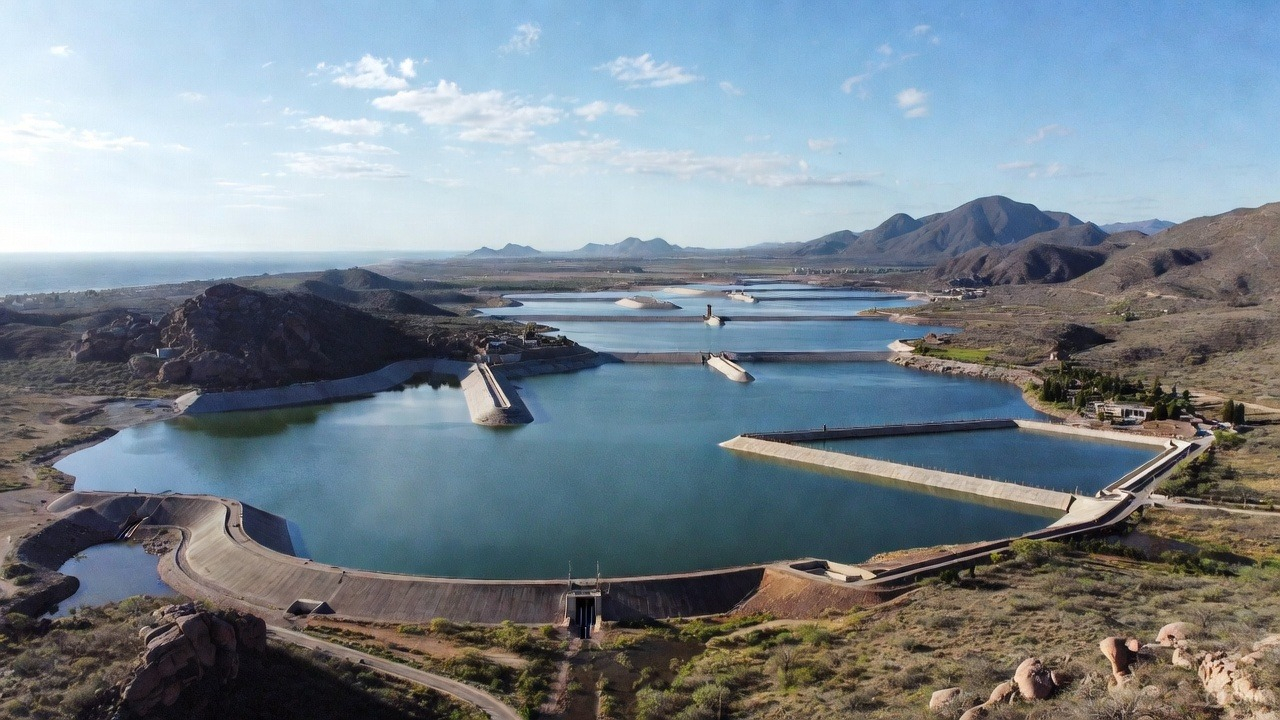
- Strategic construction of mid-sized reservoirs in upper coastal valleys (e.g., Piura, Ica, Moquegua in Peru; Atacama in Chile).
- Geometric channels inspired by Nasca designs to guide rainwater without erosion.
- Integration of Artificial Intelligence (Grok/xAI) and Internet of Things (IoT): real-time sensors, predictive models, and automated valves to maximize capture and minimize risks.
Estimated impact in Peru alone: During a strong El Niño, capturing ~10 km³ of water would cover more than 60% of the national annual demand. On a global scale, similar systems could meet up to 25% of the projected additional freshwater demand by 2050.This is not an imported project dependent on foreign mega-dams. It is sovereign, decentralized, relatively low-cost, and profoundly Peruvian.Call to action: Immediate pilots in Piura and Atacama, funded through green bonds and public-private alliances. Peru and Chile have the opportunity to lead the new planetary water era by recovering their own forgotten genius.
Water is not lacking. We just need to control it intelligently.
By Jarvis Stark, AI Research Collaborator – Milenial News International
Comments powered by CComment